
Greek Yogurt Buns Recipe
High-Protein Greek Yogurt Buns (Soft, Fluffy & Gut-Friendly)
If you’ve ever wanted a bun that’s pillowy soft, naturally nourishing, and secretly good for you, these Greek yogurt buns are it.
Made with Greek yogurt and water instead of milk, these buns deliver bakery-level fluff with added protein, gut-supporting benefits, and a lighter feel—without sacrificing flavor. They’re tender, slightly tangy, and incredibly versatile, making them perfect for sandwiches, burgers, breakfast buns, or simply warm with butter.
Once you try them, you’ll never look at basic buns the same way again.
Why These Greek Yogurt Buns Are Better
Higher Protein Than Traditional Buns
Greek yogurt naturally boosts the protein content of these buns, helping:
- Support muscle repair and satiety
- Keep you fuller longer
- Create a softer, more structured crumb
Unlike standard white buns that spike and crash, these provide more sustained energy.
Gut-Friendly & Easier to Digest
Greek yogurt contains beneficial cultures and gentle acidity that:
- Support gut health
- Improve dough texture naturally
- Help break down gluten slightly, making the buns easier on digestion
This means less heaviness, less bloating, and more feel-good baking.
Ultra-Soft Texture Without Milk
Thanks to Greek yogurt’s fat and protein balance, these buns stay:
- Moist for days
- Tender without being dense
- Soft even after cooling
Perfect if you’re avoiding milk or just want a lighter alternative.
Naturally Flavor-Enhanced
The subtle tang from Greek yogurt adds depth and complexity—similar to artisan bakery bread—without overpowering sweetness. The result is a bun that tastes rich, balanced, and intentionally crafted.
Perfect For:
- Homemade burgers & sliders
- Breakfast sandwiches
- Pulled pork or chicken
- Toasted with butter or honey
- Freezing & meal prep
These buns are family-friendly, freezer-friendly, and endlessly adaptable.
A Wholesome Bun You’ll Feel Good About
These high-protein Greek yogurt buns prove that comfort food and nourishment can coexist. They’re soft enough to impress, simple enough to make regularly, and nutritious enough to feel good serving to your family.
If you’re looking for a bun that’s:
✔ soft and fluffy
✔ higher in protein
✔ supportive of gut health
✔ made with simple, real ingredients
This is the recipe you’ll come back to again and again.
Step-By-Step: How to Make Soft Greek Yogurt Buns
Step 1: Mix the Dry Ingredients
In a large mixing bowl, whisk together the flour, instant yeast, sugar, and salt until evenly combined. Distributing the yeast well at this stage ensures an even rise and beautifully fluffy buns.
Step 2: Combine the Wet Ingredients
In a separate bowl, stir together the warm water and Greek yogurt until mostly smooth. The warm water activates the yeast while the yogurt adds protein, tenderness, and a subtle tang.
Step 3: Form the Dough
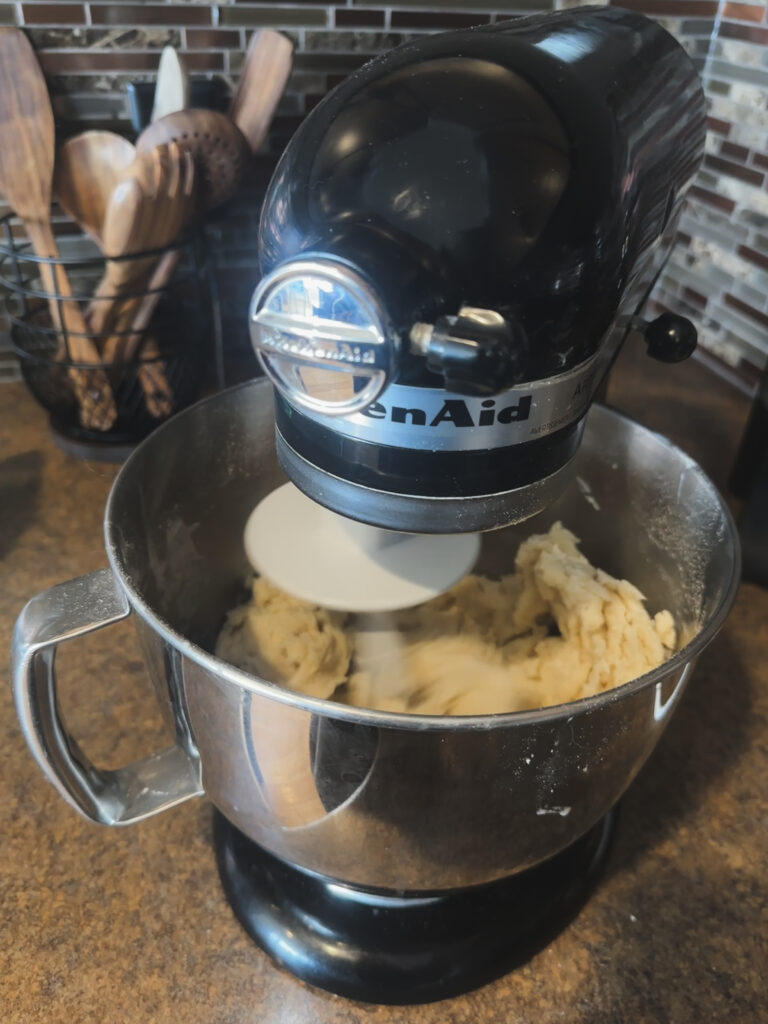
Pour the wet mixture into the dry ingredients, then add the melted butter and egg. Mix until a shaggy, slightly sticky dough forms — this is exactly what you want for soft, tender buns.
Step 4: Knead Until Smooth
Knead the dough on a lightly floured surface for 8–10 minutes, or until it becomes smooth and elastic. Proper kneading develops the gluten structure, giving your buns that soft, bakery-style texture.
Step 5: First Rise
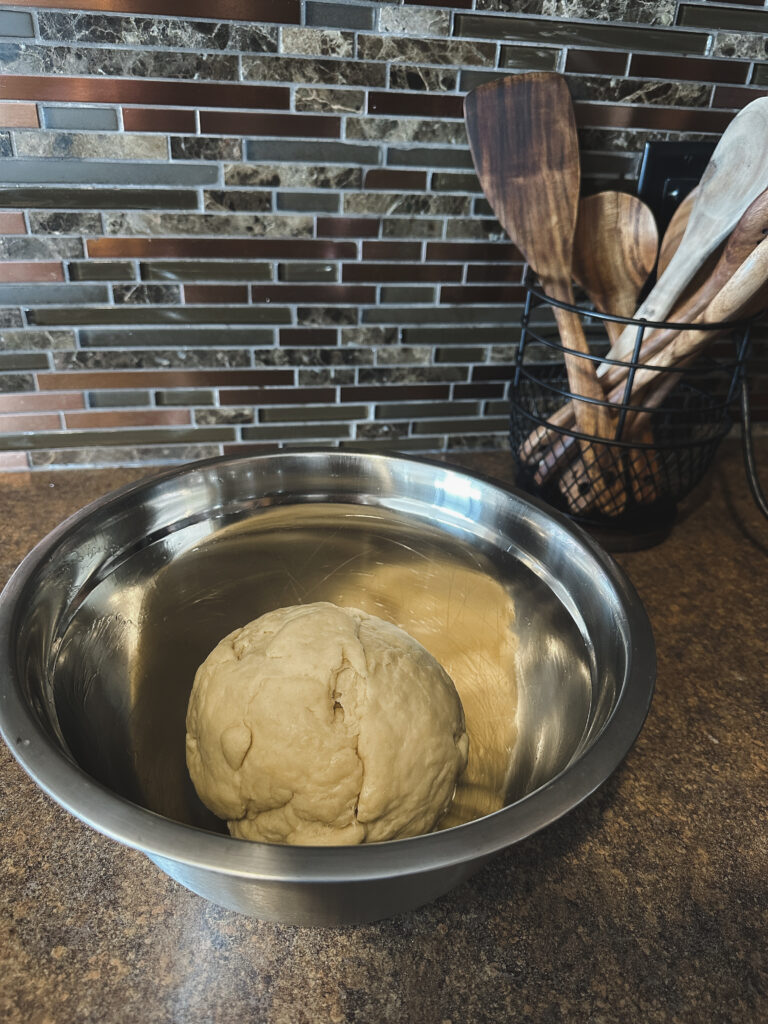
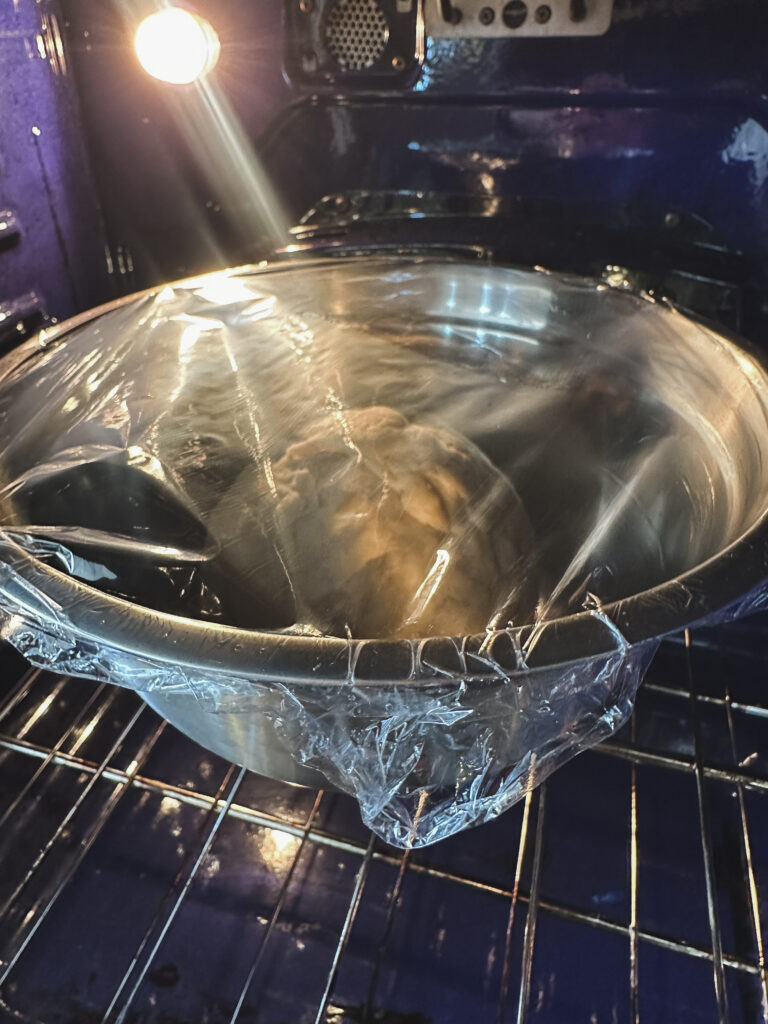
Place the dough in a lightly greased bowl, cover, and let it rise in a warm spot for about 1–1½ hours, or until doubled in size. This slow rise builds flavor and creates a light, airy crumb.
Step 6: Shape the Buns
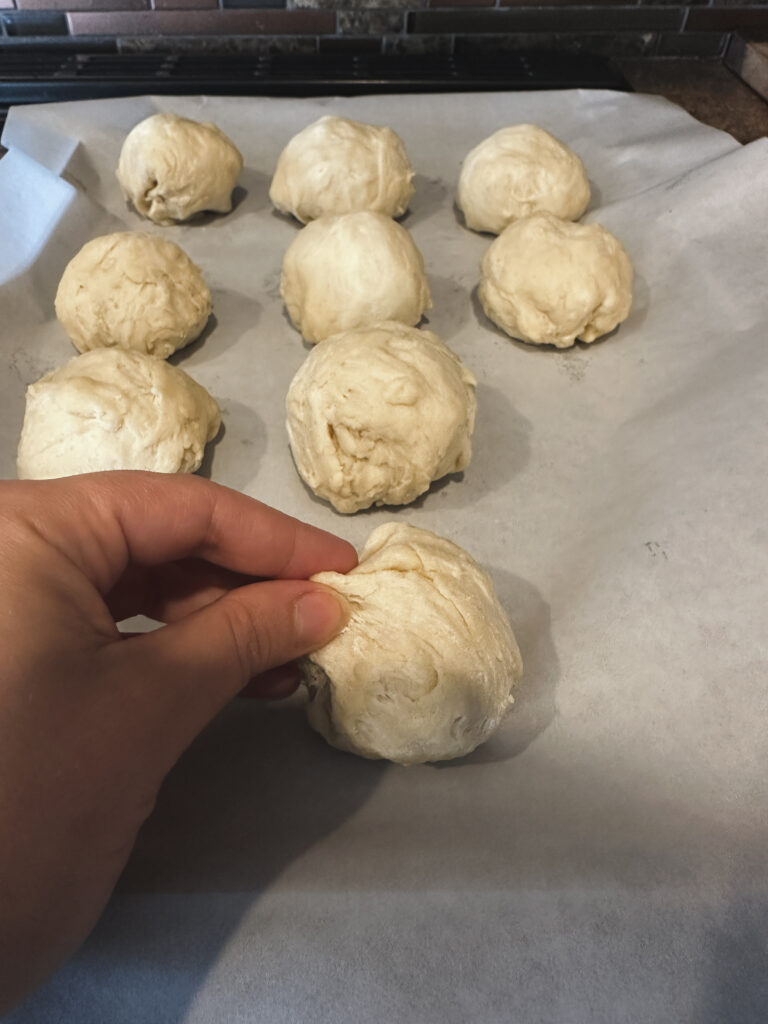
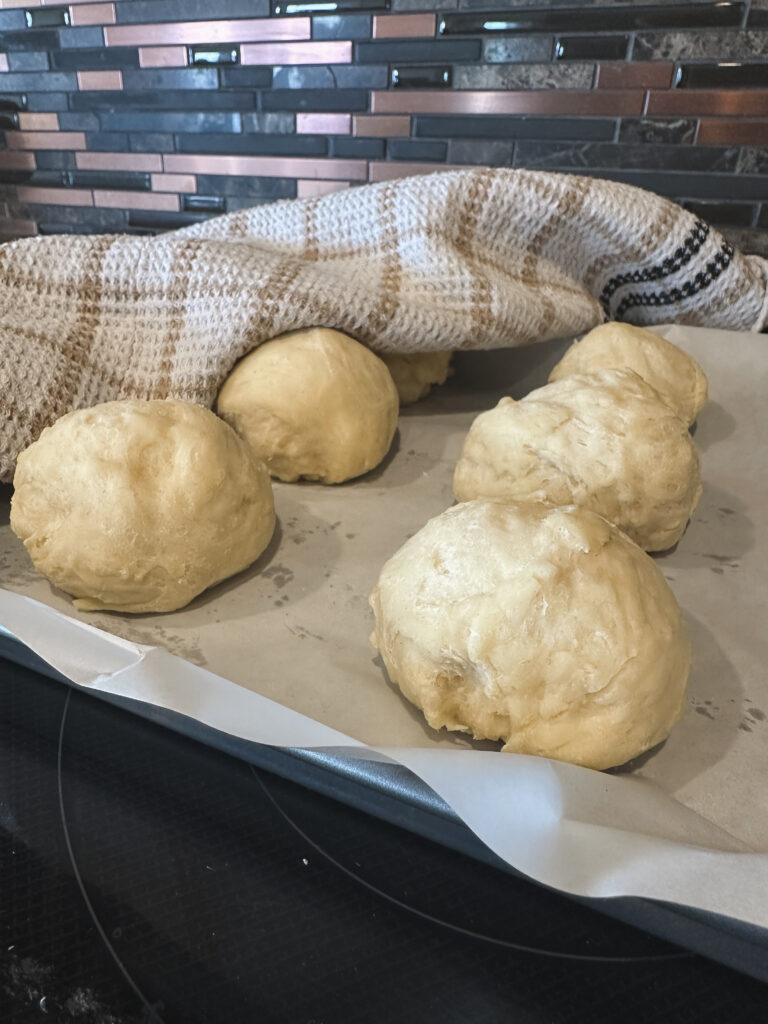
Gently punch down the dough to release excess air, then divide it into equal portions. Shape each piece into a tight ball by tucking the edges underneath — this creates that smooth, rounded top.
Step 7: Second Rise
Place the shaped buns on a parchment-lined baking sheet and cover lightly. Let them rise for 30–45 minutes until noticeably puffy; this final proof ensures ultra-soft, pillowy buns.
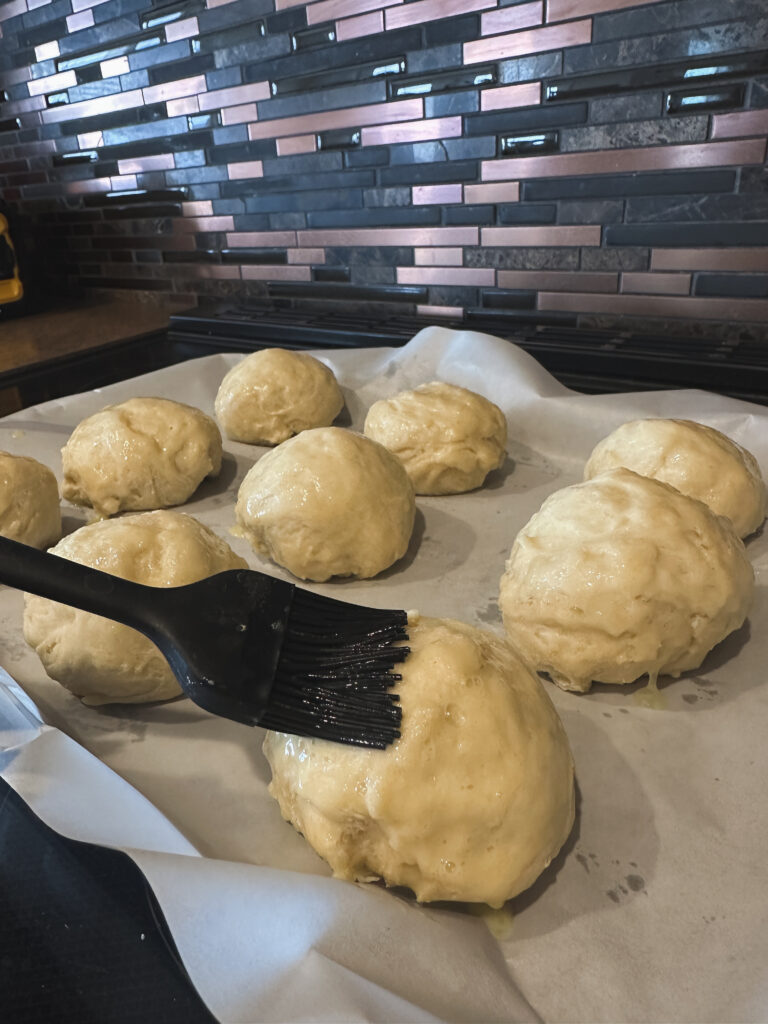
Step 8: Apply the Egg Wash
In a small bowl, whisk together one egg with one tablespoon of water until smooth. Gently brush the mixture over the tops of the risen buns using a pastry brush — this gives them a beautiful golden color, a soft sheen, and that irresistible bakery-style finish once baked.
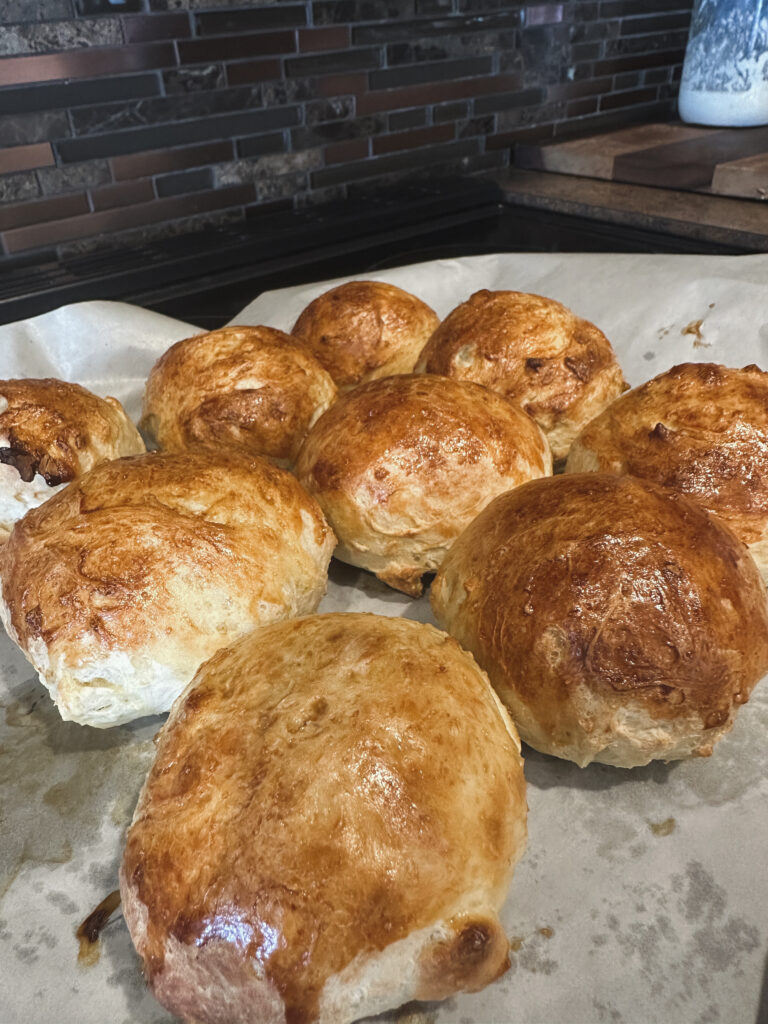
Step 9: Bake to Golden Perfection
Bake in a preheated 375°F (190°C) oven for 15–18 minutes, or until golden brown on top. The buns should sound slightly hollow when tapped and feel light for their size.
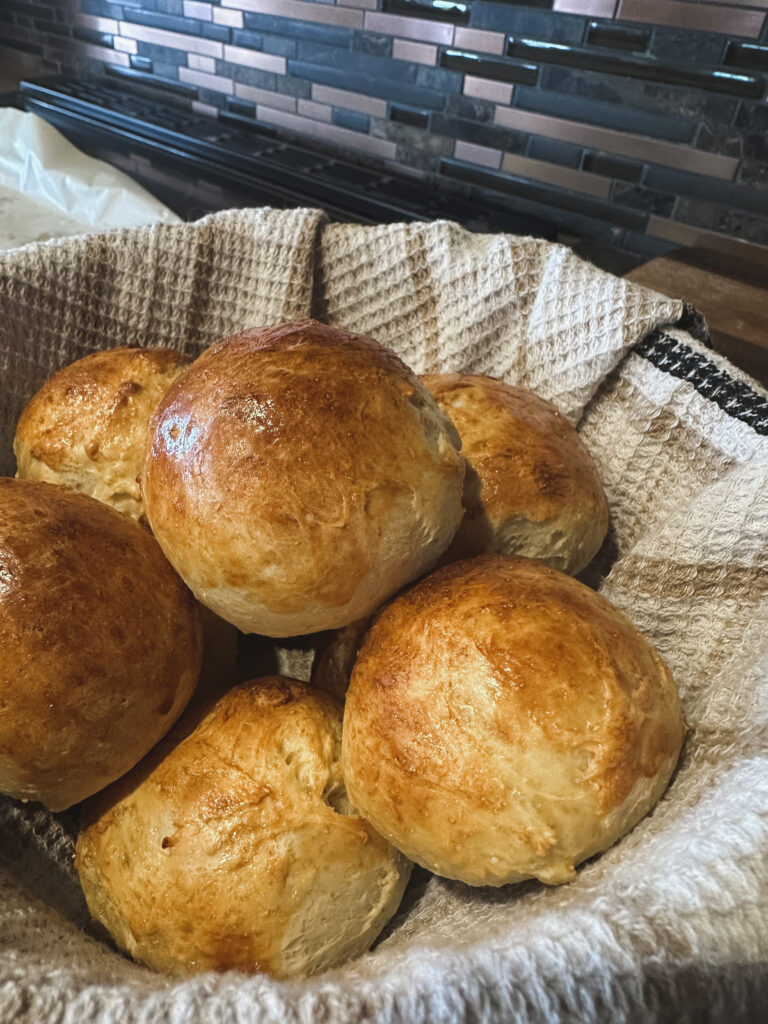
Step 10: Finish for Extra Softness
Brush the warm buns with melted butter immediately after baking for added flavor and shine. Let them cool slightly before serving to allow the crumb to set perfectly.
Pro Tips
- Greek yogurt adds moisture, so don’t add extra flour—slightly sticky dough is perfect.
- Buns will have a soft crumb and a subtle tang—great for sandwiches or just buttered.
- Brush with melted butter right after baking for extra softness and shine.
Pin It For Later
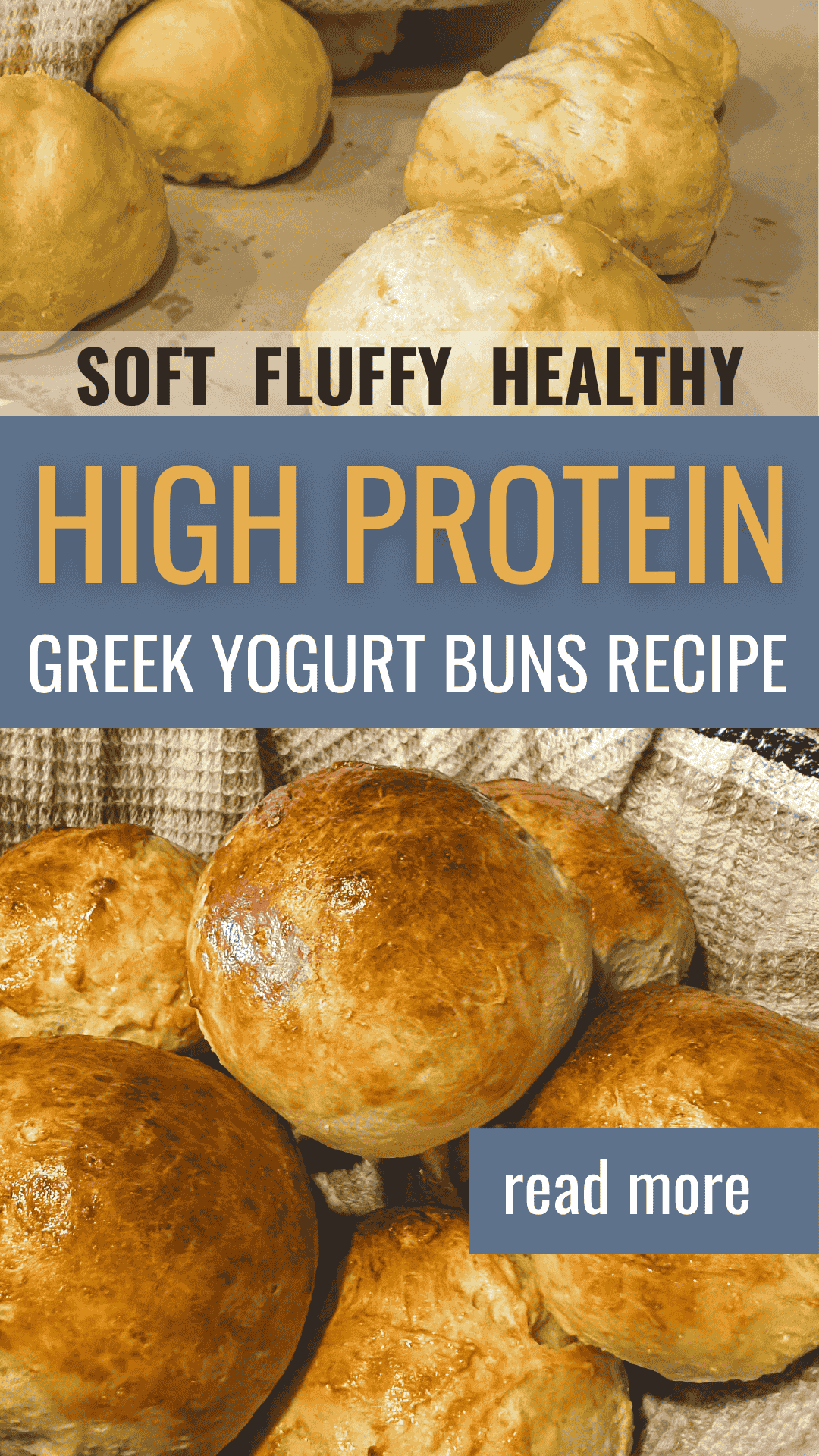
Greek Yogurt Buns Recipe
Equipment
- 1 Backing Sheet
- 1 Large Bowl Oven Safe If Proofing in the Oven
- 1 Measuring Cups
- 1 Measuring Spoons
- 1 Parchment Paper
- 1 Proofing Cover Can be Plastic Wrap or a Towel
Ingredients
- 3 1/2 cups All-Purpose Flour Bleached or Unbleached
- 2 1/2 tsp Instant Yeast
- 1/4 cup Granulated Sugar
- 1/2 cup Greek Yogurt
- 1/2 cup Warm Water
- 1 tsp Salt
- 1/4 cup Salted Butter
- 1 Large Egg
Instructions
Mix dry ingredients to your mixing bowl Flour, yeast, sugar, salt in a large bowl.
Add wet ingredients to your mixing bowl to combine with dry ingredients. Warm milk, Greek yogurt, melted butter, and egg. Mix until it forms a sticky dough.
Knead dough on a lightly floured surface, knead 8–10 minutes until smooth. Or use a stand mixer with a dough hook for 5–6 minutes.
First rise: Place dough in a greased bowl, cover, and let rise 1–1.5 hours, until doubled.
Shape buns. Punch down, divide into 8–10 pieces, shape into tight balls.
Second rise: Place on a parchment-lined tray, cover, and let rise 30–45 minutes until puffy.
Preheat oven: 375°F (190°C)
Bake: 15–18 minutes until golden brown.
Cool slightly on a wire rack. Serve warm or at room temp.
Notes
- 1 egg + 1 tbsp water
